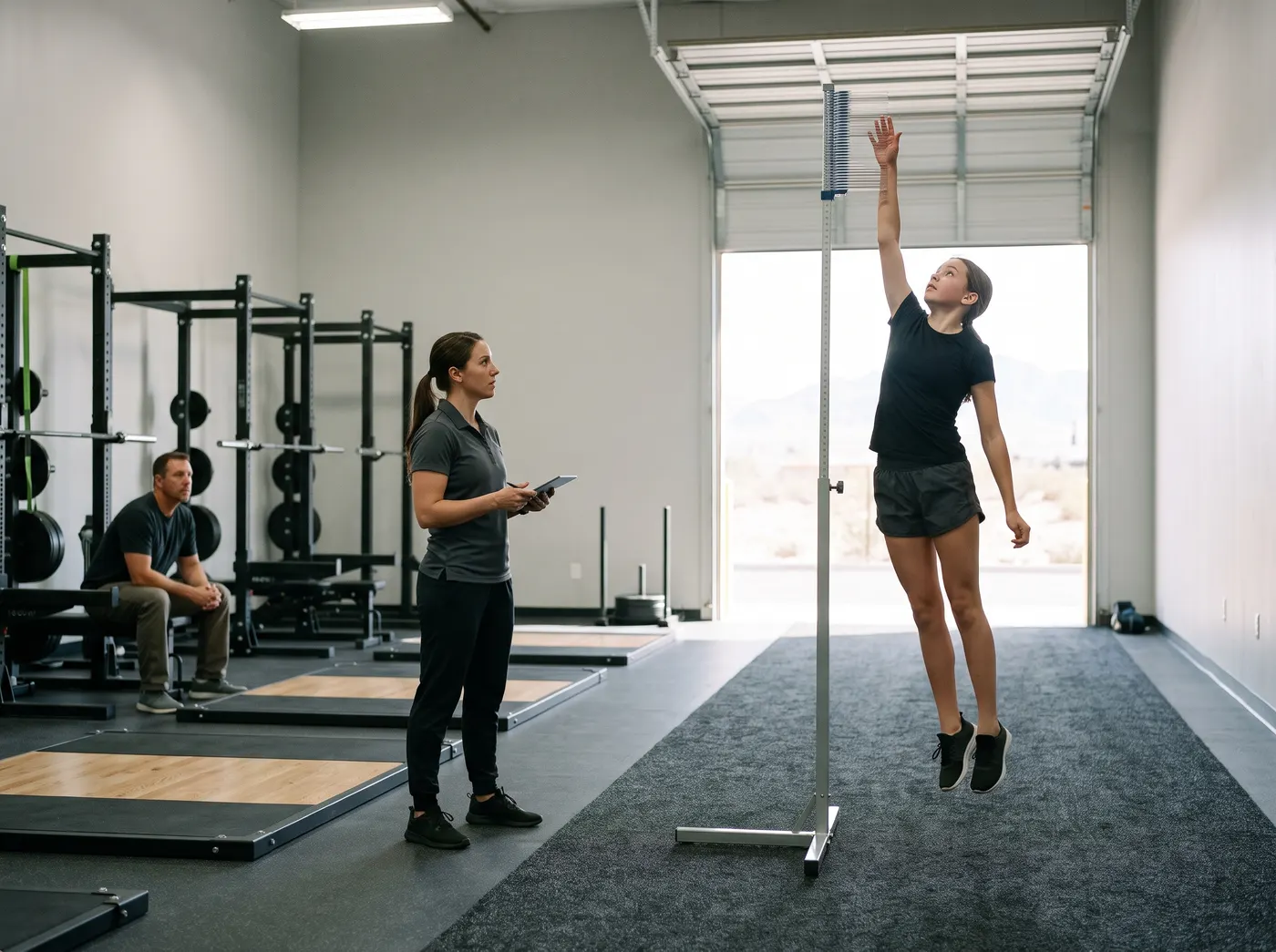
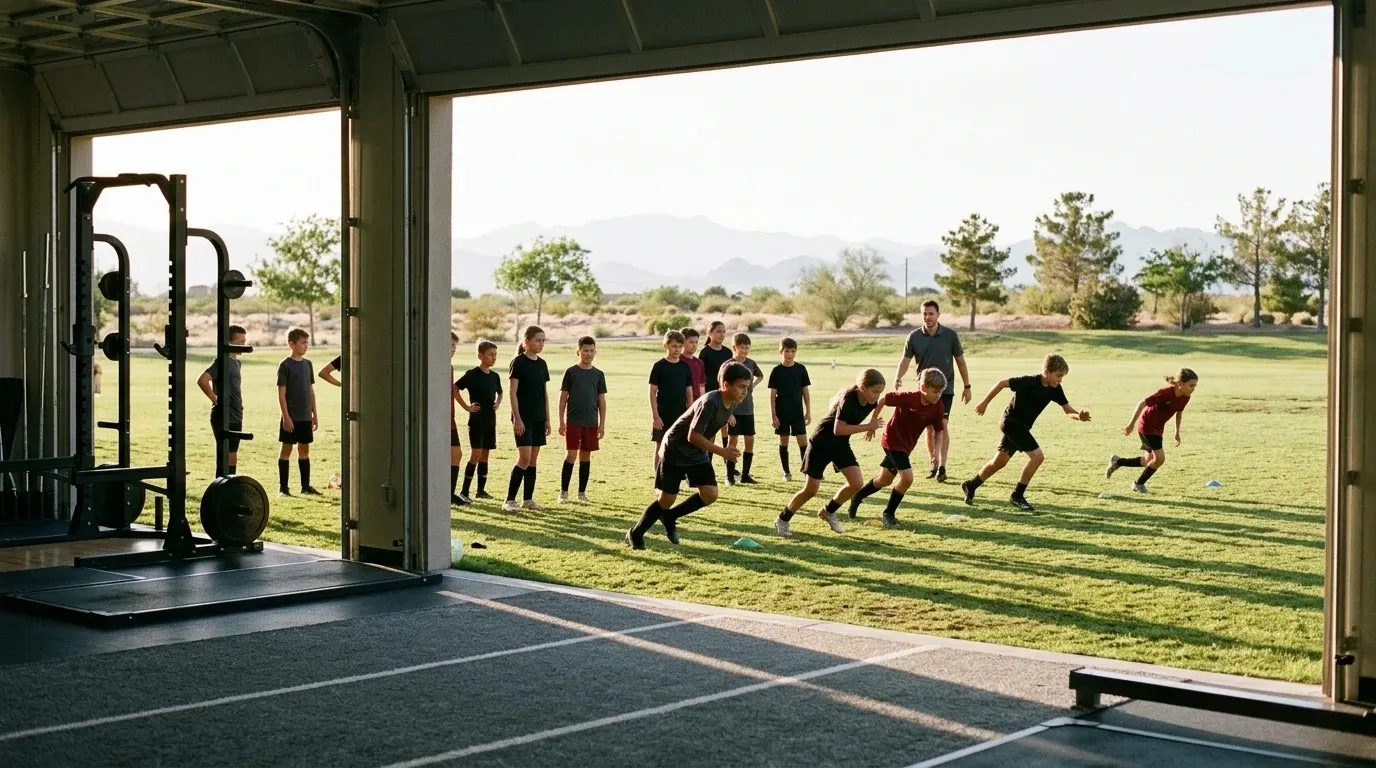
An athlete’s training schedule should reflect the demands of their sport season. When practices and games increase, we reduce training volume. Between competitive seasons, we allocate more training time to developing strength and speed.
Why training changes during the season
Practices and games already place physical demands on athletes. During the competitive season, we reduce the amount of performance training to help athletes stay fresh for their sport.
Coaches adjust strength, speed and conditioning exercises according to the athlete’s current sporting demands.
What an in season training week looks like
We typically recommend one or two performance training sessions per week during the season. Sessions are arranged around existing practices and games.
The focus remains on athletic performance, with less training volume than an off season program.
What changes during the off season
Between competitive seasons, athletes typically train two to four times each week. This allows coaches to dedicate larger training blocks to strength and speed development.
Agility, power, conditioning and mobility work are also adjusted to reflect the athlete’s sport and current ability.
Planning around your team’s schedule
Your coach considers your practice and competition schedule when recommending weekly training frequency. As your sporting commitments change, we adjust the exercises and amount of training accordingly.
Sleep, hydration and recovery also matter throughout the year, regardless of the competitive calendar.
Our Sport Performance Training programs account for your sport and competitive season. Start with an Athlete Evaluation to receive a program and weekly training recommendation.
General information for athletes and parents, not medical advice. Speak with your physician about any injury or health question.